


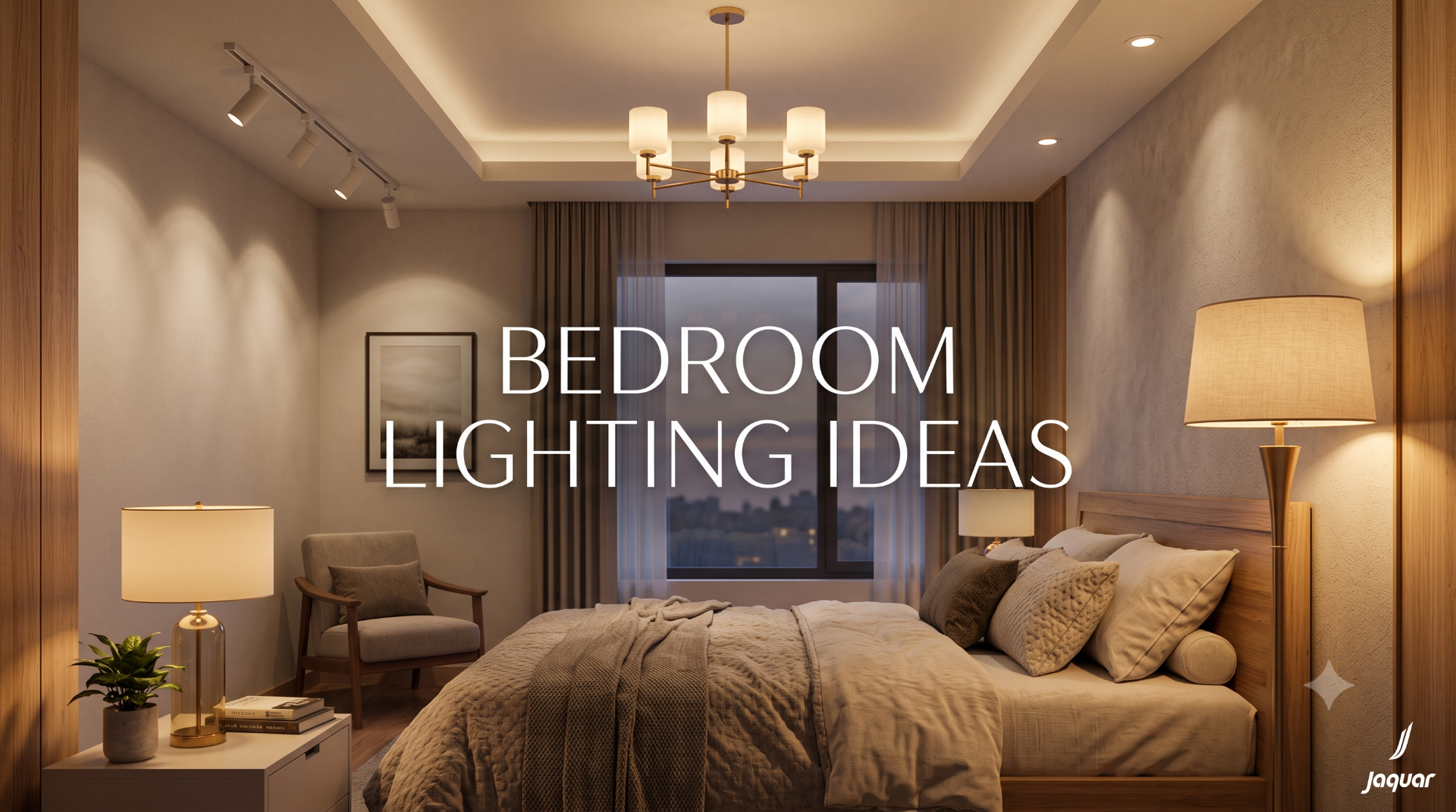
Bedroom lighting has to do something that lighting in many other rooms does not: support very different moments without making the space feel like it is constantly changing.
The same bedroom may be used for getting ready in the morning, reading before bed, relaxing after a long day, organising clothes or simply moving around at night. A single bright ceiling light can provide visibility, but it rarely creates the comfort and flexibility that a bedroom needs.
A better approach is to think about lighting as part of the room's overall design. General illumination establishes visibility, focused lighting supports everyday activities, and decorative fixtures introduce character. When these elements are planned together, the bedroom feels balanced whether the lights are fully switched on or only a few fixtures are being used.
Room size, ceiling height, furniture arrangement, natural daylight and personal routines should all influence the final lighting plan. A compact bedroom may need only a few carefully positioned fixtures, while a larger bedroom can accommodate several distinct lighting zones.
Here are 20+ bedroom lighting ideas to help you create a space that feels comfortable, functional and visually cohesive.
1. Begin With Three Layers of Light
The most useful principle in bedroom lighting is to avoid depending on a single source.
Think in terms of three layers: ambient lighting, task lighting and accent or decorative lighting.
Ambient lighting provides general visibility throughout the room. Recessed, surface or other ceiling-mounted fixtures can fulfil this role.
Task lighting provides focused illumination where a particular activity takes place, such as reading beside the bed or getting ready at a dressing area.
Accent and decorative lighting adds visual depth and character. A pendant, chandelier, wall lamp, table lamp or floor lamp can perform this role depending on the room.
Jaquar's global lighting portfolio includes both indoor and decorative lighting categories that can be combined in this way.
2. Keep the Ceiling Clean With Recessed Lighting
Recessed lighting is a useful option when the bedroom design calls for an uncluttered ceiling.
Because the fixture sits within the ceiling, it can provide practical illumination while allowing furniture, wall finishes and decorative elements to remain visually prominent.
Recessed lighting is particularly effective in contemporary bedrooms and spaces with carefully planned false ceilings.
However, avoid automatically arranging every fixture in a uniform grid. Lighting should respond to the room's actual requirements. The wardrobe, circulation areas, bedside zone and open floor space may all need different consideration.
3. Create a Dedicated Lighting Zone Beside the Bed
The bedside area deserves more attention than it often receives.
It is where many of the bedroom's evening activities take place, from reading and checking a phone to reaching for a book or getting up during the night.
A dedicated wall lamp, table lamp or pendant allows this area to be illuminated without switching on the main ceiling light.
The ideal fixture should provide enough focused illumination while avoiding direct glare when you are lying in bed.
4. Use Matching Wall Lamps for Symmetry
Two matching wall lamps positioned on either side of the bed can establish a strong visual balance.
This arrangement works particularly well when the bed, headboard and bedside tables are arranged symmetrically.
Wall lamps also have a practical advantage: they keep the bedside surface free for books, décor and everyday objects.
Jaquar's global wall-lamp collection includes a range of designs and forms that can be considered for bedroom applications.
5. Hang Pendants Beside the Bed
Bedside pendants can provide a more architectural alternative to conventional table lamps.
A pendant on either side of the bed draws the eye vertically and can make a simple bedroom feel more deliberately designed.
The approach works particularly well when there is adequate ceiling height. The fixtures should be hung at a practical level and positioned so that they do not obstruct movement or interfere with the bedside area.
Jaquar's global pendant collection includes numerous designs, from simple glass forms to more distinctive decorative silhouettes.
6. Make a Decorative Ceiling Fixture the Focal Point
Not every bedroom needs a feature wall.
A carefully selected ceiling fixture can become the room's focal point, particularly when the surrounding furniture and finishes are relatively restrained.
A decorative pendant or chandelier can provide this visual anchor while recessed or surface lighting takes care of general illumination.
The important consideration is proportion. The fixture should relate to the size of the bedroom, bed and ceiling rather than simply being chosen because it looks impressive on its own.
7. Introduce a Chandelier in a Spacious Bedroom
A chandelier can work particularly well in a larger bedroom or one with generous ceiling height.
Rather than expecting it to illuminate every corner, use it as the decorative centre of a broader lighting plan.
General ceiling lighting can provide practical visibility, while the chandelier contributes visual interest and a distinct focal point.
Jaquar's global decorative collection includes a range of chandelier designs, from contemporary forms to more elaborate arrangements.
8. Choose a Proportionate Ceiling Light for a Compact Bedroom
A small bedroom does not need an oversized fixture to feel complete.
Compact ceiling or surface lighting can provide the required general illumination while preserving a sense of openness.
If the ceiling is low, a fixture with a relatively compact profile can help maintain visual height.
The goal is to make the room feel comfortable rather than trying to fill every available surface with lighting.
9. Combine Recessed Lighting With a Decorative Fixture
Combining architectural and decorative lighting creates flexibility.
Recessed lighting can provide general illumination when the room needs to be fully lit, while a decorative pendant or chandelier can create a softer visual layer when the room is being used in the evening.
This also prevents a decorative fixture from having to perform every lighting function.
For example, a bedroom could use recessed lighting around the main circulation areas, wall lamps beside the bed and a decorative pendant as the central feature.
10. Use Wall Lighting to Frame the Headboard
The bed is usually the strongest visual anchor in a bedroom.
Wall lighting can reinforce that focal point without adding more furniture or decoration.
Two wall lamps positioned around the headboard create symmetry, while a carefully selected single fixture can work in a more asymmetrical interior.
Consider the headboard material when choosing the fixture. A heavily textured or patterned headboard may work better with understated lighting, while a simple headboard can accommodate a more distinctive wall lamp.
11. Use Wall Lamps Where Floor Space Is Limited
Bedrooms do not always have enough space for large bedside furniture or floor lamps.
Wall-mounted lighting can solve this problem by moving illumination away from the floor and furniture surfaces.
This is particularly useful in compact bedrooms, apartments and guest rooms.
A wall lamp can provide focused illumination while leaving the area below it visually open.
12. Add a Floor Lamp to a Reading Corner
A chair positioned in a bedroom creates an opportunity for a dedicated reading or relaxation zone.
A floor lamp can provide focused illumination in this area without requiring the main bedroom light to remain switched on.
It can also add vertical height to the composition of the room.
Jaquar's decorative lighting portfolio includes floor lamps intended to combine illumination with a distinct visual presence.
13. Use a Table Lamp for a Softer Evening Layer
Table lamps remain useful because they introduce light at a lower level than ceiling fixtures.
A pair of matching table lamps can reinforce symmetry around the bed. Alternatively, a single lamp can sit on a dresser, console or side table where a less symmetrical arrangement is preferred.
This lower layer can be particularly useful when the bedroom is being used for quiet activities in the evening.
Jaquar includes table lamps within its decorative lighting range, allowing them to be considered alongside other fixture types when developing a layered bedroom scheme.
14. Give the Wardrobe Area Dedicated Illumination
The wardrobe is often overlooked when planning bedroom lighting.
A centrally positioned ceiling light may illuminate the room but still leave clothing and shelves poorly lit because the person standing in front of the wardrobe creates shadows.
Consider the position of the wardrobe and the direction of light before finalising the ceiling layout.
Appropriately positioned recessed, surface or track lighting can make the wardrobe area easier to use without making the entire room brighter.
15. Treat the Dressing Area as a Separate Lighting Zone
If the bedroom includes a dressing table or dedicated preparation area, it should not necessarily rely on the main room light.
A separate lighting layer can provide more useful illumination for grooming and getting ready.
The objective is balanced visibility rather than simply increasing brightness. Strong directional shadows can make a dressing area uncomfortable, so fixture position matters as much as fixture type.
16. Use Track Lighting for Flexible Direction
Track lighting can be useful when several parts of the bedroom need focused illumination.
Individual fixtures can be directed towards wardrobes, artwork, seating areas or architectural details.
This makes the arrangement adaptable if the furniture layout changes in the future.
Track lighting works best when each light has a clear purpose. Randomly pointing multiple fixtures in different directions can make the ceiling feel unnecessarily busy.
17. Introduce Linear Lighting Into Contemporary Bedrooms
Linear lighting can complement bedrooms built around clean architectural lines.
Its elongated form can work alongside long wardrobes, horizontal furniture, architectural ceilings or other linear elements.
The strongest applications are usually those where the fixture relates directly to the architecture rather than appearing as an isolated decorative object.
Used carefully, linear illumination can create continuity across a room without overwhelming the interior.
18. Highlight an Architectural Feature
Lighting can give greater visual importance to features that already exist in the bedroom.
A textured wall, recessed niche, architectural ceiling detail or distinctive headboard can become more prominent through carefully directed illumination.
This is an effective alternative to adding more decorative objects.
The light should reveal the character of the feature rather than simply making it the brightest surface in the room.
19. Use Decorative Lighting to Add Character
Decorative lighting can provide personality even when the rest of the bedroom uses a restrained design language.
A sculptural pendant, distinctive wall lamp or carefully selected floor lamp can act as a visual accent.
The important point is to give the fixture a clear role.
If a decorative light is already the main focal point, the surrounding lighting should generally remain quieter so that the composition does not become visually crowded.
20. Create Different Lighting Scenes for Different Times
A bedroom does not need the same lighting throughout the day.
Morning routines may call for brighter general illumination, while evening relaxation may require only bedside or decorative lighting.
This is another reason to create independent lighting zones.
Instead of switching every fixture on simultaneously, use the appropriate layer for the activity. The result is a room that can transition naturally from daytime functionality to evening relaxation.
21. Use Natural Daylight as Part of the Lighting Plan
Artificial lighting should be designed with the room's natural daylight in mind.
Observe which areas receive direct or indirect daylight and which remain relatively dark.
During the day, natural light may provide most of the general illumination. After sunset, artificial sources should take over without creating an abrupt change in atmosphere.
This is particularly important in bedrooms with large windows, where the relationship between daylight and artificial lighting can significantly influence the room's appearance.
22. Choose Fixtures According to Ceiling Height
Ceiling height should influence the type and scale of fixture you select.
Lower ceilings generally work well with recessed or compact surface-mounted lighting.
Higher ceilings offer more opportunities for pendants and chandeliers because there is greater vertical space for the fixture to occupy.
For bedside pendants, consider both the ceiling height and the height of the person using the bed. The fixture should remain visually accessible without becoming an obstruction.
23. Balance Lighting Around a Large Bed
In a spacious bedroom, a large bed can dominate the visual composition.
Lighting can help distribute attention around the room.
A central decorative fixture can establish the primary focal point, while matching bedside lamps create symmetry. Additional illumination around wardrobes, dressing areas or seating zones prevents the rest of the room from becoming visually secondary.
The aim is not to make every area equally bright. It is to create a deliberate hierarchy.
24. Keep Compact Bedrooms Visually Calm
Small bedrooms benefit from restraint.
Recessed lighting can keep the ceiling relatively unobtrusive, while wall lamps can reduce the need for bedside furniture.
If you want a decorative element, one appropriately scaled pendant or ceiling fixture may be more effective than several smaller decorative pieces.
A limited fixture palette also helps the room feel more cohesive.
25. Coordinate Lighting With Furniture Placement
Lighting should be planned alongside the furniture layout.
The bed determines where bedside lighting should be located. The wardrobe affects the position of general and focused illumination. A chair creates a potential location for a floor lamp. A dressing table may need its own dedicated source.
Before installation, map the main furniture positions and walking paths.
This simple step can prevent common problems such as lights being placed directly where they create unwanted shadows or fixtures becoming inconveniently close to furniture.
26. Create a Consistent Lighting Language
A bedroom can contain several different fixture types without looking disjointed.
The key is to establish relationships between them.
A recessed ceiling fixture, wall lamp, pendant and floor lamp do not need to match exactly. Similar finishes, proportions, geometric forms or design details can help them feel connected.
Think of the fixtures as different elements of the same composition rather than unrelated purchases.
27. Use Lighting to Give Depth to a Minimal Bedroom
Minimal bedrooms can sometimes appear visually flat when there are few decorative elements.
Lighting can introduce depth without adding clutter.
A combination of discreet recessed lighting, a low-level bedside lamp and one carefully selected decorative fixture can create several visual layers while maintaining a simple interior.
This approach allows the architecture and furniture to remain the focus while lighting provides subtle variation.
How to Choose the Right Bedroom Lighting
Choosing lighting becomes considerably easier when you begin with the room's requirements rather than the fixture itself.
Consider the room size
Compact bedrooms benefit from appropriately scaled fixtures and efficient placement. Larger rooms can support multiple lighting zones and more prominent decorative pieces.
Consider ceiling height
The ceiling determines which fixture types will feel proportionate. Low ceilings often suit recessed or surface lighting, while higher ceilings provide greater flexibility for hanging fixtures.
Consider how the room is used
A bedroom used primarily for sleeping may require a relatively simple lighting scheme. A bedroom that also contains a dressing area, reading corner or workspace needs more defined lighting zones.
Consider furniture placement
The position of the bed, wardrobe, dressing table and seating should influence where lights are installed.
Consider natural light
Understand how daylight enters the room before determining how much artificial illumination is required.
Consider visual hierarchy
Not every fixture needs to attract attention. Decide which element should act as the focal point and allow the supporting lights to remain visually quieter.
Consider comfort
Avoid placing bright sources directly within the normal field of vision from the bed. Lighting should be useful without producing unnecessary glare.
Common Bedroom Lighting Mistakes to Avoid
Relying on One Central Light
A single ceiling fixture may illuminate the room but often fails to address specific activities and can leave certain areas in shadow.
Making Every Area Equally Bright
Bedrooms benefit from variation. A wardrobe may need focused illumination, while a bedside area can remain softer.
Ignoring the Bedside Zone
The bed is generally the most important functional area in the room at night. It should have a dedicated lighting solution.
Choosing Fixtures Before Furniture
Lighting positions should respond to the actual room layout. Otherwise, fixtures may end up being poorly aligned with the furniture.
Using Fixtures That Are Too Large
A dramatic fixture can become visually overwhelming when its scale does not correspond to the room.
Mixing Too Many Unrelated Styles
Different fixture types can coexist, but unrelated forms and finishes can make the bedroom feel visually fragmented.
Ignoring Glare
A light can look attractive while still being uncomfortable from the bed. Consider the viewing angle and the fixture's position before installation.
A Simple Formula for Planning Bedroom Lighting
If you are starting a bedroom lighting plan from scratch, answer three questions:
Where do I need general illumination?
This determines the ambient lighting layer, which may include recessed, surface or other ceiling fixtures.
Where do I perform specific activities?
Reading, dressing, organising clothes or relaxing in a chair may require focused lighting.
Where should the room have visual emphasis?
This determines where decorative lighting such as pendants, chandeliers, wall lamps, table lamps or floor lamps can add character.
A compact bedroom might need recessed lighting and two bedside wall lamps. A larger bedroom could combine recessed lighting, bedside pendants, a decorative chandelier, wardrobe illumination and a floor lamp.
There is no universal number of fixtures. The best arrangement is the one that reflects the room's dimensions and how its occupants actually use the space.
Why Layered Lighting Makes Bedrooms More Comfortable
Bedrooms are multifunctional spaces.
The room may be bright and active in the morning, functional while getting dressed, and deliberately subdued in the evening.
Layered lighting allows the room to adapt to each of these situations without changing its physical layout.
Ambient lighting provides overall visibility. Task lighting supports specific activities. Decorative lighting contributes visual character and a softer secondary layer.
This approach also prevents the common problem of having to choose between a bedroom that is practical and one that feels comfortable. With different sources performing different roles, the same room can provide both.
Frequently Asked Questions About Bedroom Lighting
1. What type of lighting is best for a bedroom?
A combination of ambient, task and decorative lighting generally provides the greatest flexibility. Ceiling or recessed fixtures can provide general illumination, while wall lamps, pendants, table lamps and floor lamps can support specific activities.
2. Are wall lamps good for bedside lighting?
Yes. Wall lamps can provide focused illumination without occupying bedside-table space. They are particularly useful when positioned symmetrically on either side of the bed.
3. Are recessed lights suitable for bedrooms?
Recessed lights can work well as ambient or focused lighting in bedrooms. Their placement should be based on furniture, circulation and functional zones rather than simply following a uniform ceiling grid.
4. Can a chandelier be used in a bedroom?
Yes. A chandelier can act as a decorative focal point, particularly in a spacious bedroom or one with a higher ceiling. It is generally more effective when supported by other lighting layers rather than being the room's only light source.
5. How many lights should a bedroom have?
There is no fixed number. Start with general illumination, then add dedicated lighting for important activities and a decorative layer where appropriate. The required number depends on room size, furniture layout, ceiling height and how the bedroom is used.
Conclusion
Good bedroom lighting is ultimately about creating the right balance between visibility, comfort and character.
Start with the room itself: its dimensions, ceiling height, furniture arrangement, natural daylight and everyday functions. Build a reliable layer of general illumination, add focused lighting around the bed and other activity zones, and use decorative fixtures where they genuinely contribute to the room's identity.
Jaquar's global lighting portfolio brings together indoor lighting categories such as surface, hanging, recessed and track lighting with decorative options including chandeliers, pendants, floor lamps, table lamps and wall lamps.
The advantage of approaching these categories as parts of one lighting plan is that functionality and design can work together rather than competing with each other. With thoughtful selection and placement, bedroom lighting can make everyday routines easier while giving the room a comfortable and cohesive character.