


We use cookies to deliver the best possible experience on our website. By continuing to use this site, or closing this box, you consent to our use of cookies.

Pendants
Filters
Sort by


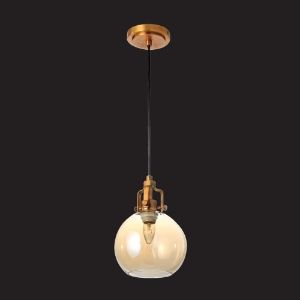
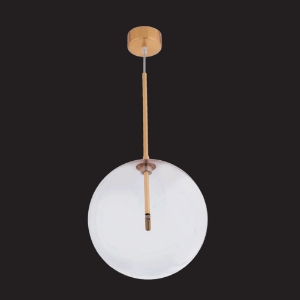
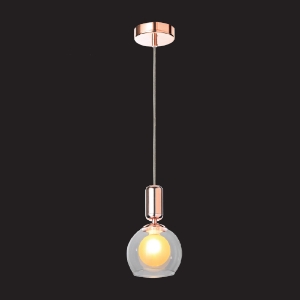
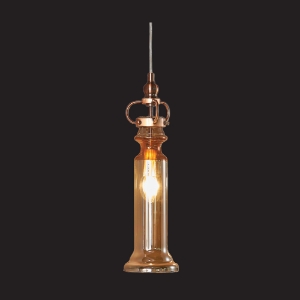
LED Ceiling Lights - Pendants Light
Ceiling lamps and hanging lights provide balanced ambient illumination while enhancing interior aesthetics. Used across living rooms and bedrooms, these fixtures combine functional lighting with decorative appeal, offering varied styles, light distribution, and mounting options to suit different ceiling heights and modern home layouts.
Are you still using outdated light fixtures that dull your ceiling? Upgrade to Jaquar’s LED ceiling lights and add a touch of brilliance and style to your home. Our modern ceiling lights are designed to complement your unique interior vibe, from minimalist chic to timeless elegance.
Discover ceiling light, ceiling mounted lamps that are perfect false ceiling lights for bedrooms and hanging light for living rooms.
Types Of LED Ceiling Lights
Illuminate your living spaces with Jaquar’s range of LED ceiling lights. Whether you’re looking for modern ceiling lights or classic sophistication, our collection offers something for every taste and decor theme. Let’s explore some:
- 01
Light Aluminium Pendant Light
This antique-finished ceiling light adds a vintage touch to your room. An E-27 LED bulb consuming 5W (DPN-ANT-SL1137S1) of power makes it perfect for creating ambience in living rooms or bedrooms.
- 02
Clear Globe Glass
Sleek and modern, this ceiling light design features a clear globe glass with a chrome finish Chrome (DPN-CHR-MD160030111A). Ideal for contemporary living room ceiling lights, it uses a G9 LED bulb consuming 4W of power
- 03
Black Hemp Rope Ball Pendant
Make a statement with this unique hanging ceiling light made of black hemp rope. An E27 LED filament bulb consuming 6W of power makes it perfect for spacious living rooms or bedrooms.
- 04
Clear Glass Ceiling Light
Classic and elegant, this bedroom ceiling light features clear glass with a brushed brass finish. Suitable for bedrooms or living rooms with a classic decor theme, it uses a G4 LED bulb consuming 3W of power.
- 05
18 LT Meta Swan Ceiling Light
Grand and opulent, this ceiling light design boasts 18 lights, making it a stunning centrepiece. With a chrome finish, it’s best suited for large spaces like grand living rooms or entryways.
Why Choose LED Ceiling Lights?
LED ceiling lights offer numerous benefits -
- Energy efficiency
- Durability and versatility in design
- Eco-friendly and cost-effective
Colour & Finishes:
- Amber Glass Pendant
- Black Meta Swan Ceiling Light
- Brushed Brass Pendant
Why Choose Jaquar?
- Finishes: Explore a wide range of finishes we offer.
- Unmatched Warranty: Rest assured with Jaquar’s unmatched warranty of up to 10 years, ensuring peace of mind and satisfaction with your purchase.
- Longer Life: Our LED ceiling lights are built to last, offering superior durability and longevity for years.
- Jaquar Care: Experience exceptional customer service and support with Jaquar Care, ensuring your lighting needs are met professionally and efficiently.
Elegantly uplift your living spaces with Jaquar’s premium modern ceiling lights, designed to enhance the beauty and functionality of your home. Choose from our exquisite collection and illuminate your world with elegance and style.
Ceiling lighting plays an important role in how a room looks, feels and functions. The right fixture can provide general illumination, complement the interior design and help create a visual connection between different areas of a home or commercial space. Choosing a suitable ceiling light, however, involves more than selecting a design that matches the furniture. Room dimensions, ceiling height, the intended use of the space, light distribution and the position of other light sources all influence the final result.
Whether you are furnishing a new property, updating an existing interior or planning lighting for a hospitality or commercial project, it is worth considering these factors before making a selection. A well-planned lighting scheme balances practical requirements with the character of the space, helping the ceiling light feel like an integral part of the overall design.
Start with the Purpose of the Room
Before choosing a ceiling light, identify what the room needs from its lighting. A living room used for relaxing, entertaining and reading has different requirements from a kitchen work area, bedroom or entrance hall. Understanding these activities helps establish the role of the ceiling fixture within the wider lighting scheme.
Living rooms and shared spaces
Living rooms often serve several purposes throughout the day. The lighting may need to support everyday activities, create a comfortable setting for visitors and complement decorative features such as artwork, furniture and architectural details.
A ceiling-mounted fixture can provide general illumination across the room, while additional light sources can help address darker corners or specific activities. The appropriate combination depends on the room's dimensions, furniture arrangement and the amount of natural light available.
When selecting a ceiling light for a living room, consider its visual relationship with the seating area and other focal points. A larger decorative fixture may suit a spacious room with sufficient ceiling height, while a more restrained design can work well where the interior already contains strong visual details.
Bedrooms
Bedroom lighting should support both practical activities and a comfortable atmosphere. The ceiling fixture may provide the main source of illumination, while separate lighting can support reading, dressing and other activities around the room.
Consider the position of the bed, wardrobes, bedside tables and any dressing area before deciding where the main light should sit. A fixture that appears centred within the room may not align with the bed or other important features, so the intended layout should guide the final placement.
The design should also complement the furniture and finishes without overwhelming the room. For more localised illumination, consider combining ceiling lighting with table lamps or other suitable secondary fixtures.
Kitchens and dining areas
Kitchens require lighting that supports everyday activities as well as the appearance of the space. General ceiling illumination should be considered alongside the positions of worktops, preparation areas, storage and appliances.
A single central fixture may not distribute light evenly across a kitchen with an island, an extended worktop or a complex layout. The lighting plan should account for areas where people prepare food, clean or carry out other tasks, while avoiding unnecessary shadows created by cabinets or other obstructions.
Dining areas have a different emphasis. The ceiling light may help define the table as a focal point and contribute to the atmosphere during meals. Consider the dimensions of the table, the ceiling height and the visual scale of the fixture before deciding on its size and position.
Where the kitchen and dining area form part of an open-plan interior, the fixtures can be coordinated to create a consistent visual language while serving different functions.
Hallways, entrances and transitional spaces
Entrance halls and corridors connect the rooms of a property, so their lighting should support comfortable movement and provide a visual introduction to the interior.
The ceiling height, corridor width and position of doors influence the type and placement of suitable fixtures. In a narrow passage, a large hanging fitting may obstruct movement or feel disproportionate. A more compact design may be more appropriate, depending on the available clearance and the intended look.
In a larger entrance, the ceiling light can help establish the character of the space. Consider how it relates to the front door, nearby wall finishes and the view into adjoining rooms.
Hospitality and commercial interiors
Hotels, restaurants, reception areas and other commercial spaces have additional considerations. Lighting needs to respond to the function of the area, the interior design concept and the requirements of the project.
A reception area may benefit from a visually distinctive fixture, while a corridor or circulation space may require a more consistent arrangement of light sources. In restaurants and hospitality settings, ceiling lights should be considered alongside decorative and task lighting so that the overall scheme supports the intended atmosphere.
For commercial installations, product suitability, maintenance access, applicable electrical requirements and the operating needs of the space should be confirmed during specification.
Match the Size of the Ceiling Light to the Space
The scale of a ceiling fixture can influence the balance of an interior. A fitting that is too small may appear visually insignificant, while an oversized design can dominate the room or interfere with the surrounding layout.
Consider the room's proportions
Room area is a useful starting point, but proportions matter as well. A long, narrow room presents a different design challenge from a square room with the same floor area. Ceiling height, furniture placement and the position of architectural features should also influence the selection.
Consider how the fixture will look from the entrance and from the main positions within the room. In an open-plan space, assess its scale in relation to nearby fixtures and the different functional zones.
Account for ceiling height
Ceiling height affects both the visual impact of a light and the clearance available beneath it. A hanging fixture requires more consideration than a fitting that sits close to the ceiling.
In rooms with lower ceilings, the projection of the fixture may be a key practical factor. In spaces with higher ceilings, a larger or longer design may be appropriate, depending on the interior and the mounting requirements.
For stairwells, double-height rooms and other spaces with difficult access, installation and future maintenance should be planned before a fitting is selected.
Think about visual weight
The apparent size of a fixture is influenced by more than its physical dimensions. Materials, colour, shape and the amount of visible structure can affect how prominent it appears.
A visually intricate fitting may draw attention even if its overall dimensions are moderate. A simpler design may feel more discreet despite occupying a similar amount of space. Consider these qualities alongside the furniture and finishes when choosing a ceiling light.
Understand Brightness and Light Distribution
A ceiling light should be selected for the illumination it provides, not only for its electrical power rating or appearance. Two fixtures with similar wattage may produce different amounts of light and distribute it differently.
Look at the product's light output
The manufacturer's product information should be used to understand the light output and intended application of a fixture. Where available, compare the stated luminous output, wattage and other relevant technical specifications.
Wattage describes electrical power consumption; it should not be treated as a direct measure of brightness. The appropriate output depends on the room's size, colour scheme, ceiling height, intended activities and the contribution of other light sources.
For rooms that support several activities, it can be useful to plan the overall lighting scheme rather than expecting one ceiling fixture to meet every requirement.
Consider how light is distributed
The direction and spread of light affect how evenly a room is illuminated. Some fixtures direct light primarily downwards, while others distribute it across a wider area or allow light to interact with surrounding surfaces.
Consider the placement of furniture, shelves, cabinets and other features that could create shadows. A ceiling light positioned without reference to the room layout may leave important areas insufficiently illuminated.
The product's design and technical information should guide expectations about its light distribution. If the project has specific illumination requirements, a lighting professional can help assess the proposed arrangement.
Account for room colours and finishes
Wall colours, ceiling finishes, flooring and furniture can influence how bright a room appears. Lighter surfaces generally reflect more light, while darker or highly textured surfaces can create a different visual effect.
A room with dark finishes may need a different lighting approach from one with pale walls and a reflective ceiling. This does not necessarily mean choosing the most powerful fixture; the position, distribution and combination of light sources should also be considered.
Understand Colour Temperature and Visual Comfort
The colour appearance of light influences the atmosphere of an interior. Depending on the product, lighting may appear warmer or cooler, and these differences can affect how the room and its finishes are perceived.
Create a consistent atmosphere
Warm-toned light can contribute to a relaxed atmosphere in spaces such as bedrooms, lounges and some hospitality interiors. More neutral or cooler-looking light may suit settings where a different visual character is required.
The choice should reflect the purpose of the room, the desired atmosphere and the appearance of the materials within it. There is no single colour temperature that is automatically best for every interior.
Coordinate lighting across connected rooms
In open-plan homes and commercial spaces, the transition between lighting zones should feel deliberate. A strong difference in colour appearance between adjoining areas may be intentional, but it should be considered as part of the overall design.
Review the selected ceiling light alongside other fixtures that will operate in the same visual field. Where multiple light sources are used together, check their specifications to understand how their colour appearance will relate.
Check the available product settings
Do not assume that every ceiling light offers adjustable colour temperature or brightness. These capabilities depend on the individual product and should be confirmed in the official technical information.
If adjustment is important to the project, verify the required functionality and any compatibility requirements before ordering. The control system and the fixture should be specified as a suitable combination.
Combine Ceiling Lighting with Other Light Sources
A well-planned interior rarely depends on a single source of light for every activity. Ceiling lights can provide general illumination, while other fixtures help address specific tasks, highlight details or create a different atmosphere.
General illumination
General lighting provides a base level of illumination across the room. A suitable ceiling fixture can contribute to this by distributing light throughout the space according to its design and output.
The required arrangement depends on the room's shape, ceiling height and the presence of obstacles. Larger or irregularly shaped spaces may require several fixtures or a coordinated lighting layout rather than one central fitting.
Task lighting
Task lighting supports activities that benefit from more localised illumination. Examples include reading, preparing food or carrying out work at a desk.
A ceiling light can contribute to the overall brightness of a room, but it may not provide the most suitable illumination for every task. A separate lamp or appropriately specified light source may be needed, depending on the activity and the layout.
Accent and decorative lighting
Accent lighting can draw attention to artwork, architectural details or selected objects. Decorative fixtures can also contribute to the visual identity of the room.
The key is to establish a clear role for each source. If every fixture competes for attention, the interior may feel visually busy. A more considered approach balances the main ceiling light with secondary fixtures that complement rather than overwhelm it.
Explore the wider decorative lighting selection when considering how ceiling fixtures can work with other elements in the interior.
Select a Design That Complements the Interior
The ceiling light should relate to the room's architectural features, furniture and finishes. It does not need to match every component exactly, but the overall combination should feel intentional.
Contemporary interiors
Contemporary spaces may feature clean lines, restrained colours and a combination of different materials. A ceiling light with a simple silhouette can complement this approach, while a more distinctive fixture can introduce contrast.
Consider the shapes already present in the room. Repeating a geometric form can create visual continuity, whereas introducing a contrasting shape can make the ceiling light a focal point.
Classic and transitional interiors
Classic interiors may include detailed furniture, decorative mouldings, textured finishes or more traditional material combinations. The ceiling light should be selected in relation to these features rather than treated as a separate decorative object.
Transitional interiors combine elements from different styles. In these spaces, a fixture can connect traditional and contemporary details through its shape, finish or proportions.
Minimalist spaces
In a minimalist interior, the ceiling light may be intended to integrate quietly with the architecture. Scale, mounting position and finish become especially important because the room contains fewer decorative elements to balance the fitting.
A visually restrained fixture can help maintain a clean appearance, while a carefully selected statement light can provide a focal point without introducing unnecessary clutter.
Coordinate materials and finishes
Glass, metal and other visible materials contribute to the appearance of a ceiling fixture. The selected finish should relate to the room's palette and other fittings.
Exact matching is not always necessary. A coordinated mix of finishes can add depth, provided the combination has been considered as part of the overall scheme. When matching an existing fixture, compare the official product descriptions and finish information rather than relying only on a screen image.
Consider Ceiling Construction and Installation Requirements
A ceiling light must be suitable for the surface and structure on which it will be installed. The fixture's weight, mounting arrangement and electrical requirements should be checked before installation begins.
Check the mounting arrangement
Ceiling fixtures can have different mounting requirements depending on their design. The selected fitting must be suitable for the intended ceiling construction and installed in accordance with the manufacturer's instructions.
Where a false ceiling or suspended ceiling is involved, confirm the mounting and support requirements before the ceiling is completed. Do not assume that the visible ceiling surface alone can support every fixture.
Plan the electrical connection
The location of the electrical connection should be considered alongside the fixture's intended position. Moving a ceiling light after finishing work has been completed can involve additional work and may affect the overall appearance.
Electrical installation should be carried out by a suitably qualified professional in accordance with the applicable local regulations. Confirm the product's electrical requirements, including any specified driver, control or connection arrangements, before installation.
Consider maintenance access
Some installations may require access to components for inspection, cleaning or servicing. This is particularly relevant where a fixture is mounted at height or integrated into a ceiling design.
Before finalising the location, consider how the fitting can be accessed safely in the future. In commercial settings, maintenance planning should account for the operating requirements of the space and any relevant access procedures.
Choose Ceiling Lighting for Different Property Types
The most suitable lighting scheme depends on the type of property, how its spaces are used and the expectations of the people using them.
Apartments and compact homes
In smaller homes, ceiling fixtures need to be selected with particular attention to scale and clearance. A fitting that projects significantly into the room may make the ceiling feel lower or interfere with the available space.
Consider the room's proportions and the relationship between the ceiling light, furniture and other fixtures. In open-plan apartments, a coordinated approach can help define separate functional areas without making the interior feel fragmented.
Larger homes and open-plan interiors
Larger interiors may include multiple lighting zones within one connected space. The ceiling lights should be coordinated so that each area has appropriate illumination while maintaining a consistent design language.
A dining area, seating zone and circulation route may each need a different lighting arrangement. The selection should reflect these uses while accounting for the overall ceiling layout and the appearance of the fixtures from different viewpoints.
Hotels and hospitality projects
Hospitality lighting must support the experience of guests while meeting the practical needs of the property. Ceiling fixtures may contribute to the identity of a lobby, restaurant, guest room or corridor.
Consider the visual impact, the intended use, the operating schedule and the maintenance implications of the selected products. Product suitability should be confirmed against the project's technical specification and applicable local requirements.
Offices and commercial interiors
Commercial spaces may have defined requirements for illumination, maintenance and operating costs. Ceiling lighting should be selected according to the function of the space and the relevant project standards.
A design-led reception area may call for a different solution from a work area or circulation space. Where technical performance is important, the final arrangement should be assessed against the requirements of the project rather than chosen on appearance alone.
Review the Product Specification Before Purchasing
Product descriptions help with initial selection, but the technical information for the exact fixture should guide the final decision. This is particularly important for projects where several fittings will be installed or where the ceiling construction imposes specific requirements.
Before ordering, review:
- Dimensions: Confirm the fixture's height, width, diameter or other stated measurements.
- Mounting type: Check whether the product is suitable for the intended ceiling arrangement.
- Light source: Confirm whether the fixture uses an integrated LED or a specified replaceable lamp.
- Wattage and light output: Review the stated power consumption and available illumination information.
- Colour appearance: Check the listed colour temperature or other relevant lighting specification, where provided.
- Finish and materials: Verify the finish and material details for the exact product.
- Electrical requirements: Confirm any specified driver, connection or control requirements.
- Installation guidance: Review the manufacturer's instructions and any stated limitations.
- Local availability: Check the current country website or authorised local representative for the products available in your market.
Product specifications and availability can vary between markets and may be updated. Use the current local product listing and technical documentation when finalising the selection.
Maintain the Appearance of Your Ceiling Lights
Routine care can help preserve the appearance of a ceiling fixture and keep its visible surfaces presentable. The correct cleaning method depends on the materials, finish and construction of the specific product.
Switch off the power before cleaning and follow the manufacturer's safety and care instructions. Do not spray cleaning liquids directly into electrical components or use abrasive materials that may damage the finish.
For fixtures mounted at height, use an appropriate and safe access method. Avoid attempting to clean or adjust a fitting from an unstable surface. If the fixture requires electrical inspection, component replacement or internal servicing, consult a qualified professional.
Where a light source is replaceable, use only the type and specification stated by the manufacturer. Where the product uses an integrated light source or a dedicated driver, follow the relevant product guidance rather than attempting an unsupported modification.
A simple, consistent maintenance routine can help keep the fixture in good condition while reducing the likelihood of accidental damage.
Make a Confident Ceiling Light Selection
Choosing the right ceiling light involves balancing appearance, illumination, room proportions, installation requirements and the way the space will be used. Start by defining the purpose of the room, assessing the available dimensions and considering the contribution of other light sources.
Then compare the fixture's size, light output, colour appearance, mounting arrangement and finish against the requirements of the project. Check the official product specifications before purchasing, particularly where electrical compatibility, ceiling support or specific lighting performance is important.
Jaquar's lighting collection includes ceiling fixtures and related lighting options for a range of interior styles. Reviewing the products available through the relevant country website can help you identify a fitting that suits the design intent and practical requirements of your space.
With thoughtful planning, ceiling lighting can provide useful illumination while contributing to a coherent and carefully considered interior.
- It’s either your controller or your power supply, which is either failing or exceeding its wattage capacity. It’s most likely the power supply/transformer if it’s older than 3 to 5 years. If your power supply is outside or in a place where there isn’t much air circulation, it will deteriorate more quickly.
- The power supply may be thermally shutting down when it gets too hot and then resetting once it cools down. There could be a few reasons for it to shut down. Your LED strip is overheating because it requires more watts than the power supply can provide.
- Your LED strip has developed a delayed failure of a component on the strip itself, leading it to draw far more energy (and so overheat) than it was designed as “thermal runaway,” which signifies that the entire strip is about to fail. As a result, your power source has simply become insufficient to meet the LED strip’s demands.
- The square design will fit in most indoor situations without difficulty. Because the square format has a professional feel to it, it is frequently found in commercial indoor settings. The square LED panel will also be used in many home settings since when choosing the proper shape is complex, the square ones function well.
- Round LED light panels are preferred by those who want to be a little more creative with their lighting. This shape is adaptable, simple to set up, and manageable. The form is ideal for use in locations that require consistent, low-maintenance lighting. For instance, consider the construction of an industrial structure. Different dimensions are available. However, all LED panels have an optical illumination angle. This guarantees that the light is dispersed evenly. A range of color variations is also available.
- When comparing the luminous efficacy of square and flat panels to round panels, it is clear that the square or flat panels have higher luminous efficacy. Choose from the hundreds of panel designs available at Jaquar.
- However, the circular panel will, on average, outperform the LED lights in terms of efficiency. The spherical LED panels, on the other hand, are more suited to indoor use. They’ll be sensitive to dampness if they’re installed outside. Water has the potential to harm internal circuitry.
- LED strip lights are typically inexpensive to run and consume relatively little electricity. They consume around 90% less energy than incandescent bulbs and 70% less energy than halogen lights to generate the same amount of light. This is due to LEDs’ tremendous efficiency and the fact that they squander relatively little energy through thermal radiation.
- Simply put, LED technology is considerably better at preventing inputted energy from being wasted as thermal radiation or heat.
- LED strips are also notable for their heat control capabilities. There is no particular location where excessive heat builds up because the heat is diffused across the entire strip, contrary to traditional lights.
- The human eye’s perception of brightness is measured in lumens. We’re all used to measuring the brightness of light in watts because of incandescent lighting. When choosing which LED strip light to look at, the lumen is the most crucial factor to consider. When comparing lumen output from one strip to the next, keep in mind that there are several ways to say the same thing.
- The color temperature of light, measured in degrees Kelvin, is referred to as CCT (Correlated Color Temperature) (K). The white light’s appearance is directly affected by the temperature rating, which runs from cool white to warm white. As the Kelvin temperature rises, the hue shifts from yellow to yellowish-white to white, then to a bluish-white (which is the coolest white).
- LED strip lights are often supplied on a 5 meter (or 16′ 5″) reel (spool). Individual portions are soldered together to make a whole reel since the machines used to “select and place” the LEDs and resistors on the flexible circuit board usually are 3′ 2″ in length. If you’re going to buy something, make sure it’s by the foot or by the reel.
- One of the reasons we have begun to migrate to LEDs is because of power consumption. Wattage indicates how much electricity we use while these lights are turned on, and hence how much we’ll have to pay at the end of the month. So before you buy, make sure to double-check the wattage per foot, meter, or reel.
- You should verify the quality claims to ensure that your LEDs survive their stated lifespan, are safe around your house and company, and do not require additional maintenance expenditures to replace.
- You can use led strip lights and place them up, down, and across the frames. Then, bend and twist the strips in whichever way you like to decorate a space or a corner.
- Cover outdoor frames with LED lights that will withstand rain and snow. By alternating different-colored strips that change colors automatically, you can give your house a unique and festive look.
- Spell out different words and phrases with tiny, flexible LED modules available at Jaquar. Ensure that your message is visible late into the night, which is assured by LEDs’ established reliability. At any time of night, the lights glow for endless hours without flickering or burning out.
- Wrap small LED lights around trees and plants in your home. Since LED lighting is great for highlighting, invest in a piece that highlights a single garden object. From the floor to the ceiling, these LED lights are anywhere in or around the garden.
- There are a lot of low-cost brands that produce third-grade items. That’s why they came up with a diffuser for indoor use and a lens for outdoor lighting such as street lights and floodlights.
- You will be able to see the individual diodes if the diffuser is also of poor quality, which can hurt and harm your eyes. Jaguar, for example, is a high-quality brand. However, most modern street lighting does not have lenses on the diodes. This is done to save money because, under government procurement, the lowest bidder gets the order, even if he compromises on quality.
- When it comes to choosing LED light that is good for your eyes, color is also crucial. It is beneficial for your eyes to select lights that are 5700K; the best technique is to look for a bluish hue. If the LED has a bluish tint, it does not have a diffuser. When purchasing LEDs, look for reputable brands or those that do not have a bluish hue.
- Lighting can be uncomforting at times, which means light layers are missing. In a room, too little — or even too much — of one type of lighting can be unsettling. Humans are incredibly light-sensitive, and dark or harsh environments can cause discomfort.
- All of the lightings should be used in concert to produce a room that is not just well-lit but also adaptable. For example, hardwired fixtures should always be placed on a dimmer for added control.
- Make a lighting strategy. When remodeling or building, consult with a lighting consultant to establish your project’s lighting requirements. Based on the size of the room and the details (such as lumen output) of a specific light fixture, an expert can assist you in determining the appropriate number of lights.
- See if you can make the lights you already have more controllable. For example, put them on different switches to switch on independently or use a dimmer to give them more control.
- Like many other modern species, plants have a clock mechanism that tracks daily (circadian) ecological cycles. The light and temperature cycles are the two most essential of these cycles. Therefore, plants’ circadian rhythms will be disrupted when lights are turned on, but they should return to normal within a few days after the lights are turned off.
- The majority of lights emit a lot of heat. Heat can stifle your plant’s growth by causing the stomata on its leaves to contract to retain water. Closing stomata regularly might be very detrimental to the plant.
- Plants absorb light, but they require it to accomplish photosynthesis. However, too much light (sunlight during the day and artificial light at night) can promote excessive synthesis, which is harmful to the plant.
- Some plants thrive in the dark. As a result, light is out for them. If the plant is damp, artificial lights can short circuit, causing the plant to catch fire.
- The overall light output is measured in lumens. The higher the lumens, the more light is produced. An LED panel’s efficiency is calculated by dividing its lumens by its power (watts). An LED panel’s efficiency increases as the lumens per watt increase. In terms of fuel efficiency, this is similar to liters-per-100 km. Ensure that the lumens-per-watt rating is accurate.
- The color of the light is a personal choice based on usage and preference. The color temperature of an LED panel is expressed in Kelvins and describes how the light from that panel will appear (K). 4000 to 5000K for a fresh, modern aesthetic perfect for offices, schools, retail, and commercial spaces. For LED panels, this is the most common option. The color temperature ranges from 3000 to 4000 k, commonly used in basements and garages to simulate natural light.
- Emergency lighting for multiple panels is required in most systems. For example, in a power outage, the emergency LED panel will give light for at least three hours in specific areas such as escape routes. LED panels are best used as emergency panels because they consume less electricity. There are even emergency-ready variants of integrated LED panels. Jaguar, pocket-friendly, and energy-efficient, offers the best-LED light panels.
- It’s critical that LED lighting saves energy while emitting a pleasant, warm glow. This will not only save you money on power, but it will also help you save money on replacements because they will last longer. So always keep an eye out for LED companies that offer energy-saving lights for a variety of applications.
- LED firms should always offer new and innovative fixtures to increase the aesthetic appeal of that place, whether for home or commercial uses. With Jaquar lighting, you can count on some of the most famous designs to capture your attention.
- Discover a new era of color lighting with LED solutions that may be used in a variety of industries. Keep a lookout for companies that provide a diverse choice of color LEDs that are both energy efficient and inexpensive. Colour LEDs are also available in a variety of forms, allowing them to be used for a variety of purposes.
- An LED company must comprehend the needs of its customers, and site assessments are necessary for this. This allows the business to anticipate the scenario and enables them to provide immediate assistance with appropriate solutions. Jaquar lighting ensures that professional electricians from the area come out to evaluate the location and provide free help.
- Check to see if the LED company you choose offers an LED fixture warranty and maintenance. For example, highlights Energy is proud of its services, which include a 5-year guarantee and free client maintenance. The recent emergence of LED firms may make it tough to find the correct one for you, but you can cross off your list efficiently with these considerations.
- You may create a magnificent, dramatic, yet luxury lighting effect by measuring the perimeter length of your ceiling, utilizing a high-quality strip with built-in adhesive, and installing the strip behind a recession or coving.
- Measure the perimeter of your room’s ceiling, taking into account all corners and curves. If the power source has a short wire, make sure you measure the distance from your power outlet as well. You can now choose whether you want one or more LED strip reels because LED strips come in different lengths. If the reel has defined copper cutting spots, you may easily cut the strips to size.
- Make sure the power outlet is as close as feasible to the source supply that comes with your LED strip reel for the best visual appeal and minimal wastage of extra reel or extra wire.
- To ensure that your LED strips survive as long as they are supposed to, make sure the space is well-ventilated and that they aren’t jammed behind bulky furniture or heavy curtains.
- Some high-quality strips have a peel-and-stick adhesive incorporated into the back of the strip. This is a preferable option because some manufacturers assure that the built-in tape will help transport away excess heat. Other strips will require you to apply external double-sided tape to the strip first, then to the wall, coving, or ceiling.
- Both daylight and soft white light are beneficial for several reasons. First, daylights have a color temperature of 4500k to 6500k, which means they are brighter and appear whiter. Soft white lights, on the other hand, are closer to 2700k to 3000k.
- Both lights are suitable for use in living rooms, but the majority of homeowners choose soft white light. Soft white light makes a room feel more welcome and comfortable. In comparison to harsh white lights, they are also beneficial for your eyes and encourage your body to relax and unwind. If you spend most of your time in your room in the evening, gentle white lighting may be the ideal option for you.
- If your furniture, walls, or floors are dark, daylight lighting may be preferable. Alternatively, daylight will be more helpful if you spend most of your time in your living room throughout the day.
- Depending on your preferences, both types of lighting will function well in living rooms. If you want your room to be a relaxing and unwinding space after a long day, use soft white light. Use daylight in your living room to improve lighting for hobbies and work.
- The ground connection is strictly for safety. There should be no current flowing in the ground connection, regardless of the load. Its goal is to keep voltage away from the external components. A small amount of water in the incorrect area might cause a lethal voltage to appear on parts that you can touch.
- If they’re grounded, the voltage is safely bypassed to the ground, keeping the external components at zero voltage. A circuit breaker will trip, or a fuse will blow if enough current flows. However, unless the fixture comes with a metal casing, there is no need or requirement for safe ground. To avoid electrical shock, that metal housing will need to be “Safety” grounded.
- When only one LED is used, the voltage is DC, usually extremely low, under 5 volts, and a resistor controls the voltage if the voltage source is more than that required.
- LED lighting is revolutionary not just in terms of the energy economy but also in terms of service life. While incandescent bulbs often last only 1,000 hours – barely a year with several hours of use each day – LED illumination is commonly rated to last 50,000 hours or more, which would possibly translate to decades if used at the same pace.
- Many of us find it difficult to imagine a light that would endure decades, but LEDs are revolutionizing the lighting business. LEDs allow you to install a light and forget about it for years – similar to how a furnace or roofing system is replaced.
- LEDs are small and may be employed in modular pieces, allowing for a wide range of new design possibilities. Of course, there’s no way of knowing what new decorative fixture designs will emerge in the future, but there are some more practical options.
- Not all lighting fixtures, such as chandeliers, lamps, and sconces, should have the same size. Otherwise, the eyes striving for visual clarity would not find it. A chandelier is a terrific focal point for ample space, such as dining or family rooms. Consider a unique floor lamp or vintage-inspired sconces flanking a piece of wall art in a smaller area.
- Lighting should not overrun a space, but it should also not be lost. When it comes to selecting the ideal light fixtures for your room, scale is essential, and following a few rules will help you get the desired look. Any room’s length plus width in feet should equal a chandelier’s diameter in inches.
- When it comes to lighting, layering is crucial. Every place, including the powder room or entrance, should have at least three sources of light for the most acceptable balance. Just remember to use the accent layer to draw attention to the extra elements you’ve added to your rooms. Jaguar provides the best quality lighting to decorate your house with.
- Dimmers can instantly transform the mood of a room while also saving you money on your electricity bill. To have additional control over your lighting, install dimmer switches in as many rooms and with as many fixtures as you want. To adjust the ambiance and balance artificial and natural light, use dimmers.
- The most prevalent are recessed ceiling lights. They are inexpensive, soft, and simple to install behind a false ceiling. The ideal approach to use them is to deliberately emphasize a part of the room, highlight an area, or put the focus on a wall in an inconspicuous manner. These lights are ideal for a modern home, where lighting and combination lighting layers may transform even the smallest room into a stunning illumination.
- Cove lighting concentrates on the ceiling and casts a soft glow down the walls. For effect, combine it with floor lamps and hanging lights, as well as a spotlight. They are hidden under the crown moldings and can give any room a rich appearance while also reducing harshness. Cove lighting can also be used to draw attention to or accentuate an architectural feature. You can choose false ceiling lights ideal for your home from a varied range of lights at Jaquar.
- The Gimbal recessed lights are versatile and energy-efficient, allowing you to add drama to the area with colored lights or remain modest without sacrificing the room’s aesthetic in dim mode. Gimbal lighting, which is simple to set up, is ideal for directing light to specific objects, such as artwork on the wall of books on the study area’s bookshelf.
- Flush lights disperse light evenly over an extensive area without being harsh on the eyes, making them ideal for low-ceiling spaces. This type of ambient lighting can be used in any room and is a cost-effective alternative to hanging lights. Use this flexible lighting option in corridors and low-ceilinged areas like dresser areas and restrooms.
- Back-lit ceiling panels are ideal for providing a natural glow that is comparable to that of daylight. These easy-to-install, compact, made-to-measure bright ceiling panels are the perfect answer for creating a tranquil environment. In addition, back-lit ceiling panels give a warm and better experience by providing uniform illumination throughout the area.
- Great lighting adds depth and height to your space, creates cozy corners, and highlights your most outstanding features. Therefore, every design aspect, including lighting, is crucial.
- A house can be changed and transformed with the use of good lighting. You combine light and shade to create a relaxing yet dramatic atmosphere in a room.
- It can enhance or detract from the room’s overall color scheme. It also can create an illusion by reflecting light off the walls. For example, lighting may make a space with light-colored furnishings appear larger.
- One of the fundamental objectives of lighting in the interior design realm is to improve the operation of a place. It brightens the room, brings positivity and calmness, and has relaxing vibes for the residents. Good lighting not only lights up your space but also ensures safety to the people living there as well as those living in the neighborhood. So check out Jaquar lighting, as it has always got you covered.
- The human eye’s perception of brightness is measured in lumens. We’re all used to measuring the brightness of light in watts because of incandescent lighting. When choosing which LED strip light to look at, the lumen is the most crucial factor to consider. When comparing lumen output from one strip to the next, keep in mind that there are several ways to say the same thing.
- The color temperature of light, measured in degrees Kelvin, is referred to as CCT (Correlated Color Temperature) (K). The white light’s appearance is directly affected by the temperature rating, which runs from cool white to warm white. As the Kelvin temperature rises, the hue shifts from yellow to yellowish-white to white, then to a bluish-white (which is the coolest white).
- LED strip lights are often supplied on a 5 meter (or 16′ 5″) reel (spool). Individual portions are soldered together to make a whole reel since the machines used to “select and place” the LEDs and resistors on the flexible circuit board usually are 3′ 2″ in length. If you’re going to buy something, make sure it’s by the foot or by the reel.
- One of the reasons we have begun to migrate to LEDs is because of power consumption. Wattage indicates how much electricity we use while these lights are turned on, and hence how much we’ll have to pay at the end of the month. So before you buy, make sure to double-check the wattage per foot, meter, or reel.
- You should verify the quality claims to ensure that your LEDs survive their stated lifespan, are safe around your house and company, and do not require additional maintenance expenditures to replace.